
7 Tips for Handling Heavy Construction Debris Safely
Heavy construction debris can be dangerous if not handled properly. From sharp objects to hazardous materials, the risks include injuries, respiratory issues, and financial penalties. Following these seven tips can help you maintain safety, efficiency, and compliance on job sites:
Wear Proper PPE: Use hard hats, gloves, steel-toed boots, and safety glasses to prevent injuries. Inspect gear daily and replace damaged items.
Lift Correctly: Use your legs, not your back. Avoid twisting while lifting, and use teamwork or tools for heavy loads.
Use the Right Equipment: Wheelbarrows, lifting straps, and forklifts reduce strain and improve efficiency. Inspect tools before use.
Secure Debris During Transport: Use tarps and tie-downs to prevent spills. Distribute weight evenly and avoid overloading.
Follow Disposal Rules: Sort materials, comply with local regulations, and document disposal to avoid fines.
Control Dust: Use water sprays and respirators to minimize airborne hazards. Handle hazardous materials with care.
Train Your Team: Regular training on safety protocols, equipment use, and emergency procedures reduces risks.
Proper debris management protects workers, avoids project delays, and ensures compliance with OSHA standards. Whether you’re lifting manually or using machinery, prioritizing safety and organization is key.
Demolition Site Safety: Debris Removal
1. Wear Required Personal Protective Equipment (PPE)
Wearing the right PPE is essential for staying safe while handling heavy construction debris. Each piece of equipment plays a specific role in protecting you from potential injuries. Hard hats shield your head from falling objects, gloves prevent cuts and punctures, steel-toed boots guard your feet from heavy impacts, safety glasses protect your eyes from dust and flying debris, and high-visibility clothing ensures you're easily seen on busy worksites.
The importance of these precautions is backed by data. OSHA highlights that head injuries make up about 25% of all construction-related fatalities in the U.S. annually. Additionally, the Bureau of Labor Statistics reported over 20,000 hand injuries in the construction sector in 2023 alone - many of which could have been avoided with proper gloves.
Take steel-toed boots, for example. These have helped countless workers avoid serious foot injuries. Similarly, hard hats have saved lives by preventing severe head trauma from falling debris, and safety glasses have reduced eye injuries during tasks like demolition work.
PPE Item | Primary Protection | OSHA Requirement | Typical Cost (USD) |
Hard Hat | Head injuries | Yes | $15–$40 |
Safety Glasses | Eye injuries | Yes | $3–$15 |
Steel-Toed Boots | Foot injuries | Yes | $50–$150 |
High-Visibility Vest | Visibility, struck-by risk | Yes | $10–$30 |
Cut-Resistant Gloves | Cuts and punctures | Yes | $5–$20 |
OSHA regulations (29 CFR 1926.95) require employers to provide PPE at no cost, ensure it fits correctly, and keep it in good condition. Ignoring these rules can lead to hefty fines, work stoppages, and increased liability.
To maximize safety, inspect your PPE daily. Replace any cracked hard hats, worn-out gloves, damaged boots, or scratched safety glasses immediately - damaged gear can give a false sense of security. Make sure your PPE matches the task at hand; for instance, choose cut-resistant or chemical-resistant gloves when handling specific materials.
During loading and unloading tasks, workers should always wear gloves, steel-toed boots, hard hats, and high-visibility vests. This is especially crucial when operating mechanical equipment or working near traffic. Reliable PPE is the foundation of safe debris handling and works hand-in-hand with other safety measures on-site.
2. Use Proper Lifting Techniques
Using the right lifting techniques is crucial for protecting your back and avoiding injuries. According to the U.S. Bureau of Labor Statistics, over one-third of all work-related injuries in construction stem from overexertion or bodily reactions, such as lifting injuries. Similarly, the National Safety Council highlights that back injuries make up nearly 20% of workplace injuries and illnesses in the U.S..
To lift safely, start by standing close to the debris with your feet shoulder-width apart for balance. Face the object directly, and remember to bend at your knees, not your waist. Squat down using your leg muscles, keeping your back straight and your chest up. This technique shifts the strain to your stronger leg muscles rather than your back. Always keep the load close to your body to minimize stress on your spine.
Avoid twisting your body while lifting. Instead, pivot with your feet if you need to change direction. Take small steps to turn your entire body rather than rotating your spine while holding a load.
Before lifting, evaluate the weight and shape of the object. If it feels too heavy or exceeds 50 pounds, don’t attempt to lift it alone. Objects with awkward shapes, like long pieces of wood or chunks of concrete, require extra care and are often safer to lift with help.
Clear your path of obstacles and tripping hazards before starting. Plan where you’ll set the object down, and take a few moments to stretch and warm up your muscles before handling heavy loads.
For team lifts, clear communication is essential. Assign one person to lead and give verbal cues like “lift,” “move,” and “set down.” This coordination helps prevent sudden movements that can cause injuries when multiple people are involved. Taking these steps ensures smoother teamwork and safer handling of heavy debris.
When manual lifting isn’t safe, rely on tools like dollies, hand trucks, or wheelbarrows to move debris more easily. For larger projects involving heavy or hazardous debris, professional removal services can be a smart option. Companies like Dump & Go in New England specialize in debris removal, making it easier to handle large loads safely and efficiently.
Whenever possible, use mechanical aids to save your energy and reduce the risk of injury.
3. Use the Right Tools and Equipment
The right tools can make handling heavy construction debris safer and more efficient. Items like wheelbarrows, lifting straps, and forklifts not only reduce physical strain but also help lower the risk of injuries.
Wheelbarrows are ideal for moving loose debris such as broken concrete, dirt, or scattered materials. To use them effectively, load evenly to avoid tipping and never exceed the manufacturer’s weight limit. Balanced loads and smooth movements are key. For heavier materials, it’s smarter to take multiple trips rather than overloading a single wheelbarrow.
Lifting straps are perfect for moving large or awkwardly shaped items that require teamwork. Secure the straps firmly under the load and ensure everyone involved has a solid grip. These straps help distribute weight evenly, easing strain on your back and arms. Always check the weight rating before use to ensure safety.
Forklifts are indispensable for handling palletized materials or extremely heavy debris that can’t be moved manually. Only certified operators, trained in compliance with OSHA 1910.178, should operate forklifts. Keep loads balanced, work on stable ground, and secure debris properly before moving. Routine inspections and maintenance are essential to keep forklifts safe and functional.
Daily inspections are non-negotiable. Check wheelbarrow tires, lifting straps, and forklifts for any signs of wear or damage. Remove faulty tools from service immediately and document all maintenance activities. OSHA reports over 10,000 incidents annually in the U.S. related to lifting and moving heavy materials, highlighting the importance of proper equipment care and usage.
Choose tools based on the type and weight of the debris, prioritizing ergonomic designs and clearly marked load capacities. Safety features like shields, guards, warning lights, and alarms on machinery can significantly reduce the likelihood of accidents.
For tasks that exceed manual handling limits, consider professional services. For example, Dump & Go offers 15- to 20-yard dumpsters with quick delivery throughout New England. Their hauling and material transportation services help minimize on-site risks by reducing the need for excessive manual handling.
After each use, clean your equipment thoroughly, lubricate moving parts, and store tools in a dry, secure place. Replace worn components promptly and maintain detailed records of all maintenance to ensure the longevity and safety of your tools.
4. Secure Debris During Transport
Transporting construction debris without proper precautions can lead to serious hazards. According to the U.S. Department of Transportation, unsecured loads are responsible for over 51,000 accidents and nearly 10,000 injuries every year in the United States. These accidents not only cause injuries and property damage but can also result in fines ranging from $200 to over $5,000.
To prevent such risks, it’s essential to secure debris properly during transport. Start by covering loads with waterproof tarps designed for construction use and securing them with rated tie-down straps. Always inspect tarps and straps for wear and tear before every use. Tarps are particularly effective for keeping lightweight materials - like insulation, plastic sheeting, and paper - from escaping during transit. In windy conditions, double-check that the tarp is tightly secured and free of tears or loose areas.
For heavier debris, use durable tie-down devices to keep everything locked in place. These prevent the load from shifting, which could cause instability or even result in materials falling off during transport. Always verify the weight rating of your straps before using them, and replace any worn or damaged straps immediately.
When loading containers, place heavier materials at the bottom to maintain stability. Take a moment to walk around your truck bed or dumpster to ensure the weight is evenly distributed. If needed, adjust the load to prevent tipping or imbalance.
Avoid overfilling containers. Keep debris below the rim to leave room for securing tarps and tie-downs. Overfilled dumpsters not only risk spilling but also make it impossible to cover the load properly. OSHA regulations under 29 CFR 1926.252 mandate proper waste containment on construction sites.
Before hitting the road, perform a thorough visual inspection of all securing mechanisms. Confirm that straps are tight, tarps are secure, and no debris is protruding from the container. It’s also a good idea to periodically inspect securing devices during transport to ensure everything remains in place.
In adverse weather, such as high winds or storms, take extra precautions. Reinforce covers or delay transport if necessary. Rain can weigh down tarps, causing them to sag, while strong winds can turn unsecured debris into dangerous projectiles.
If managing debris transport feels overwhelming, professional services can help. For example, Dump & Go offers 15- to 20-yard dumpsters across New England, along with advice on safe loading and containment practices. Their services can reduce the need for multiple trips and help ensure compliance with local regulations.
Taking these steps not only reduces the risks associated with debris transport but also sets the stage for exploring specialized training and equipment in the next safety tip.
5. Follow Local Disposal Rules
Overlooking local disposal rules can turn a construction project into a financial headache. In the U.S., construction and demolition debris contributes over 600 million tons of waste annually, and every municipality has its own set of guidelines for managing this material.
The penalties for improper disposal are no joke. Fines can range from $500 to $5,000 per violation of municipal regulations, while OSHA violations under 29 CFR 1926.252 can hit up to $14,502 per violation. A Boston contractor learned this lesson the hard way in June 2024 when they were fined $2,500 for dumping lead-contaminated debris in a regular landfill instead of using a certified hazardous waste handler. This mistake led to a site audit and mandatory staff retraining.
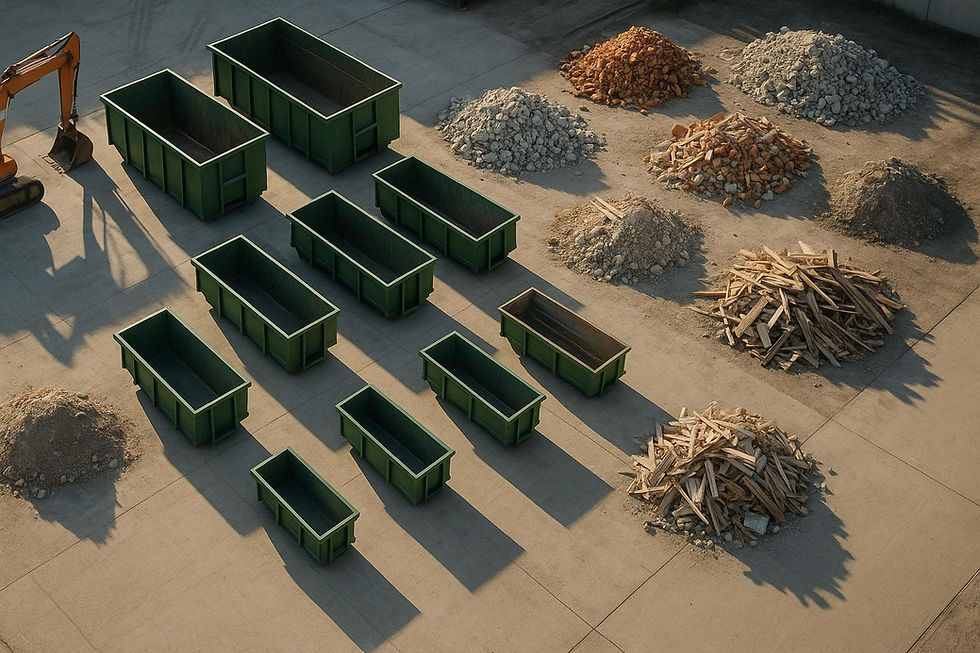
One key to compliance is material segregation. Many municipalities require separating materials like concrete, wood, metal, and hazardous waste into specific containers. Proper sorting not only ensures compliance but also opens the door to recycling opportunities. In fact, up to 90% of construction debris can be recycled or reused when sorted correctly. Mixing materials, on the other hand, can lead to violations and missed cost-saving opportunities.
Hazardous materials demand extra care. Items like asbestos, lead-based paint, treated wood, solvents, and certain types of insulation require certified disposal methods. These specialized services often come with additional costs - ranging from $50 to $200 per item or cubic yard - but improper handling can lead to environmental damage and hefty liability risks.
Proper documentation is another critical piece of the puzzle. OSHA's Hazard Communication Standard (29 CFR 1926.1200) requires training records for workers dealing with hazardous materials. Additionally, many municipalities mandate manifests or receipts to verify legal disposal. Keeping thorough records - such as pickup dates, destination facilities, and material types - can help you stay organized and compliant.
Finding your local rules doesn’t have to be a hassle. Municipal websites and federal resources often outline the necessary steps. Many licensed waste management providers can also help navigate local requirements and ensure compliance.
Partnering with professional waste management services can simplify the process. For example, in April 2025, Dump & Go helped a commercial client in Worcester, Massachusetts, achieve 100% compliance by supplying separate dumpsters for concrete, wood, and metal, while also coordinating certified hazardous waste removal. This effort saved the client $1,200 in potential fines and increased recycled material volume by 35%.
To avoid surprises, assign someone on your team to regularly inspect waste storage areas and ensure all containers are clearly labeled. This proactive approach can catch potential issues before they escalate into costly problems.
Regulations evolve, and waste management violations are among the top 10 most frequently cited issues on construction sites, according to OSHA. Stay ahead by maintaining communication with waste management partners and subscribing to updates from local waste authorities.
Investing in proper disposal practices does more than just keep fines at bay. It safeguards your reputation, supports environmental responsibility, and can even lower project costs through better recycling and material recovery efforts.
6. Control Dust and Hazards
Construction debris poses serious health risks. According to the U.S. Bureau of Labor Statistics, construction workers face higher rates of respiratory illnesses compared to many other professions, often due to exposure to dust and airborne hazards.
To minimize airborne particles, use water sprays or misting equipment to dampen debris before moving it. Storing materials under tarps or in covered bins is especially helpful on windy days . For personal protection, workers should wear N95 respirators to guard against construction dust, while higher-grade respiratory gear is essential in environments with toxic materials like asbestos or lead. This helps prevent respiratory issues, eye irritation, and long-term lung damage .
One example of effective dust control comes from a large demolition project in an urban setting. Contractors there employed a continuous water misting system and mandated the use of N95 respirators for workers. Air quality monitoring during the project showed a 50% decrease in airborne particulate levels, and no respiratory incidents were reported. These measures, paired with proper equipment use and handling techniques, create a safer work environment.
Hazardous materials - such as asbestos, lead paint, chemical residues, and treated wood - should be clearly labeled with warning signs, color-coded tags, or barrier tape. Following OSHA and EPA guidelines, these materials must be segregated, stored in designated containers, and accompanied by safety data sheets for all chemical waste .
When dealing with suspected hazardous materials, workers should wear specialized respirators, disposable coveralls, and gloves. The affected area must be isolated using barriers and warning signs, and only trained personnel should handle these materials. Disposal must comply with hazardous waste regulations, as violations can lead to fines ranging from $1,000 to $13,653, according to OSHA .
Daily monitoring is crucial for maintaining a safe site. Assign someone to inspect debris areas for dust buildup, sharp objects, and other hazards. Ensuring walkways are clear helps prevent slips and trips. Regular site inspections also confirm that dust suppression measures, physical barriers, and proper PPE use are consistently enforced .
Professional waste management services can also play a key role in controlling dust and hazards. For instance, Dump & Go offers dumpsters with covered bins and prompt debris removal. Their eco-friendly practices ensure hazardous materials are handled and disposed of in compliance with regulations, helping to keep your site safe and tidy.
Local regulations may require debris storage areas to be at least 100 feet from property lines and away from overhead transmission lines. These rules protect workers and the surrounding community. Regular training on recognizing hazards, suppressing dust, and responding to emergencies helps foster a strong safety culture on-site .
7. Train All Team Members
Ensuring team members are well-trained in debris handling is a cornerstone of construction site safety. The Occupational Safety and Health Administration (OSHA) highlights inadequate training as a major contributor to injuries and fatalities in the construction industry. In fact, training-related violations are consistently among the most cited in construction safety enforcement. Data from the U.S. Bureau of Labor Statistics shows that in 2022 alone, over 1,000 fatal injuries occurred in the construction sector, with many linked to improper handling of equipment and debris - areas where proper training can make a significant difference.
Key Training Topics should include the use of personal protective equipment (PPE), proper lifting and handling techniques, safe operation of machinery, hazard recognition, emergency procedures, and adherence to local disposal regulations. Hands-on demonstrations are particularly effective for teaching workers how to lift correctly, inspect equipment, and identify potential hazards. Workers dealing with hazardous materials must also be trained under OSHA’s Hazard Communication Standard (29 CFR 1926.1200), which requires safety data sheets to be accessible at all times.
Training Documentation is another critical component. OSHA mandates that companies maintain detailed records of all training sessions, including topics covered, dates, and attendance lists. These records not only demonstrate compliance during inspections but also help identify employees who may need additional training. For workers handling hazardous materials, documentation should also include specifics on lockout/tagout procedures and PPE requirements. Training isn’t a one-and-done process - it should be refreshed annually or whenever new equipment or procedures are introduced. Regular safety briefings and toolbox talks further reinforce safety practices and address new risks as they arise.
Emergency Response Training is equally important. Workers should be familiar with evacuation plans, first-aid protocols, communication procedures, and the location of emergency equipment. Regular drills help solidify these procedures, ensuring quick and effective action during emergencies. Training should cover responses to a variety of incidents, from equipment failures to hazardous material exposure, aligning emergency preparedness with overall site safety strategies.
Effective Training Techniques should cater to different learning styles. Workshops, on-site demonstrations, toolbox talks, online courses, and visual aids can all play a role in making training accessible and memorable. Visual warning systems, such as reflective signs and color-coded labels, also help communicate immediate dangers and should be integrated into training programs.
Supervisor Roles are vital in maintaining training effectiveness. Beyond delivering initial instruction, supervisors should lead regular safety briefings, monitor compliance, provide real-time feedback, and encourage workers to report unsafe conditions. When leadership actively promotes a safety-first culture, employees are more likely to follow protocols and prioritize safe practices in their daily work.
Specialized Training may be necessary for certain hazards. For example, only trained and authorized personnel should operate heavy machinery or handle hazardous debris like asbestos or lead. Tailoring training to the specific risks of each site ensures workers are well-prepared. Partnering with external experts or certified trainers can also bring specialized knowledge and updated regulatory guidance to the table.
For companies collaborating with professional waste management services, proper training becomes even more critical. Teams trained in safe debris handling can work seamlessly with services like Dump & Go to ensure efficient and compliant disposal practices. This coordination not only enhances safety but also boosts on-site efficiency.
Investing in comprehensive training doesn’t just prevent accidents - it also reduces costs and improves productivity by equipping teams to manage heavy debris safely and effectively.
Manual vs. Mechanical Solutions Comparison
When deciding between manual and mechanical solutions, it's important to consider factors like the project size, type of debris, and safety requirements. Each method has its strengths and limitations, so understanding these differences is key to choosing the right approach.
Manual tools - such as wheelbarrows, lifting straps, and hand carts - are ideal for small-scale projects or spaces where machinery can't fit. These tools are versatile and require a lower initial investment. However, relying on manual labor increases the risk of injuries like back strain or repetitive stress injuries, especially if proper lifting techniques aren’t used. This makes it crucial to weigh the benefits of manual tools against their safety challenges.
Mechanical solutions, on the other hand, include options like debris chutes, dumpsters, and heavy equipment. These are designed for larger projects where efficiency and volume handling are priorities. Mechanical systems minimize direct human contact with hazardous materials and can handle more debris in less time. For instance, OSHA's 29 CFR 1926.252 mandates that waste be removed promptly during work, making mechanical systems a practical choice for large construction sites.
From a safety perspective, manual tools carry higher risks due to repetitive lifting, heavy loads, and potential contact with sharp or hazardous debris. Mechanical solutions reduce these risks but come with their own challenges, such as equipment malfunctions or improper use. For example, uneven weight distribution in dumpsters can lead to tipping accidents, so careful operation is essential.
Aspect | Manual Tools | Mechanical Solutions |
Safety Risk | Higher risk from lifting and sharp objects | Reduced contact risk, but equipment operation has hazards |
Efficiency | Slower for large volumes; flexible for small jobs | Fast and efficient for bulky debris removal |
Best Debris Types | Light materials (e.g., wood scraps, packaging) | Heavy materials (e.g., concrete, metal beams) |
Project Suitability | Best for small cleanups and tight spaces | Ideal for large-scale projects and bulk debris removal |
Regulatory Compliance | Can be harder to meet OSHA standards on large sites | Easier to maintain compliance with proper systems in place |
Matching the debris type to the right method is crucial. For example, light materials like wood scraps, packaging, or small drywall pieces can often be handled manually when proper techniques are used. However, heavy or hazardous materials - such as concrete, metal beams, or contaminated debris - are better suited for mechanical solutions to reduce injury risks and ensure safe handling.
For large-scale projects, services like Dump & Go provide convenient dumpster rentals and expert guidance for safe debris removal. By using professional services, you can minimize handling risks, ensure compliance, and streamline the cleanup process.
Cost is another factor to consider. While manual tools are cheaper upfront, labor costs can add up quickly on larger projects. Mechanical solutions may require a higher initial investment, but their efficiency often offsets these costs on big jobs. Additionally, professional services offer predictable pricing and free quotes, making it easier for project managers to budget while shifting liability and compliance responsibilities to the service provider.
Ultimately, the choice depends on the specific needs of your project. Small residential cleanups or repair jobs might benefit from the flexibility of manual tools. On the other hand, commercial construction, demolition, and large-scale renovations are better suited to the efficiency and safety of mechanical solutions. Professional services can help bridge the gap, offering the equipment and expertise needed to meet both safety and regulatory demands.
Conclusion
Handling debris safely requires thoughtful planning, proper techniques, and strict adherence to regulations. The strategies discussed - from using the right PPE to ongoing team training - work together to create safer job sites and significantly reduce the risk of injuries. This isn't just theoretical; recent statistics back it up.
Data from the Bureau of Labor Statistics (BLS) and OSHA reveals that overexertion and site hazards account for nearly 60% of injuries and fatalities in construction. These numbers underscore the importance of measures like proper lifting techniques and organized debris disposal. Every step, from wearing PPE to conducting regular training sessions, plays a role in fostering a safer and more efficient work environment.
To take these efforts further, thorough planning is crucial. A well-thought-out debris management plan - one that includes material segregation, regular removal schedules, and compliance with local regulations - lays the groundwork for a systematic approach that minimizes risks. Without this preparation, debris handling can quickly spiral into chaos, creating unnecessary hazards. Once a plan is in place, the next step is choosing the right tools and methods for the job.
When deciding between manual tools and mechanical solutions, safety and efficiency should guide your choice. Manual tools are suitable for smaller tasks, but larger projects or hazardous materials often require professional services. Companies like Dump & Go simplify debris removal by offering appropriately sized dumpsters, expert handling, and compliance support, reducing both risk and liability.
Adhering to OSHA and local regulations isn’t just about avoiding fines - it’s about safeguarding workers and project owners from unnecessary delays and legal troubles. Additionally, the push for eco-conscious practices means that partnering with services focused on environmental care can help you meet both safety and sustainability goals.
Finally, ongoing training is non-negotiable. Regular updates on safety standards, emergency protocols, and equipment usage are essential to preventing complacency and maintaining high safety standards throughout the project. By investing in organized debris management, you’re not just avoiding accidents and fines - you’re building a safer, more efficient, and compliant worksite.
FAQs
What mistakes should I avoid when managing heavy construction debris?
When dealing with heavy construction debris, taking the right precautions can make a world of difference in ensuring both safety and efficiency. Using poor lifting techniques is a common mistake that can result in serious injuries. Always lift with your legs - not your back - and steer clear of twisting motions while carrying heavy items. Another common oversight is skipping protective gear. Gloves, steel-toe boots, and helmets aren’t just recommendations; they’re essential for preventing cuts, falls, and head injuries. Lastly, overloading dumpsters or stacking debris haphazardly can create dangerous situations for workers and anyone nearby.
To simplify debris disposal and keep things running smoothly, a dependable dumpster rental service can be a game-changer. Dump & Go provides 15-to-20-yard dumpsters with fast delivery, helping you manage construction waste responsibly and without unnecessary stress.
What steps should I take to follow local rules for disposing of construction debris?
When dealing with construction debris, it's important to follow local regulations for disposal. Rules can differ depending on your city or state, so take the time to research what’s required. Many areas mandate proper sorting and disposal of materials like concrete, wood, and hazardous waste to prevent fines and reduce environmental impact.
If you’re looking for an easier way to manage the process, you might want to check out a professional service like Dump & Go. They specialize in dumpster rentals and waste management across New England. Their team takes care of the debris responsibly, focusing on eco-friendly methods while ensuring a smooth experience for their customers.
What are the advantages of hiring a service like Dump & Go for removing heavy construction debris?
Hiring a service like Dump & Go for heavy construction debris removal comes with several benefits that make your project smoother and safer. For starters, it significantly improves safety by minimizing the risks tied to handling and disposing of large or potentially hazardous materials. Their dependable dumpster rental services provide a secure and organized solution for managing debris, reducing the likelihood of workplace injuries.
On top of that, Dump & Go simplifies the cleanup process, saving you both time and labor expenses. They ensure that debris is removed promptly and in line with local regulations, so you don’t have to worry about compliance. Plus, their focus on eco-friendly practices means they use sustainable disposal methods, reducing environmental harm while keeping your project moving forward efficiently.


Comments