
Best Dumpster Sizes for Basement Cleanouts
Updated: Sep 3, 2025
When cleaning out a basement, picking the right dumpster size is key to saving time, money, and effort. Here’s what you need to know:
- 10-Yard Dumpster: Ideal for small projects like clearing old clothes, decorations, or small furniture. Compact and budget-friendly but fills up quickly with bulky items.
- 15-Yard Dumpster: Great for medium projects involving furniture, appliances, or mixed clutter. Offers more space than a 10-yard but still fits most driveways.
- 20-Yard Dumpster: Best for large-scale cleanouts or renovations. Handles heavy or bulky items like appliances and construction debris without needing multiple rentals.
Quick Tip: Overestimate your needs if you're unsure. A slightly larger dumpster ensures you don’t run out of space mid-project, saving you from extra costs or delays.
1. 10-Yard Dumpsters
Capacity
A 10-yard dumpster holds 10 cubic yards of debris, which is about the same as 3–4 truckloads. For standard debris, the weight limit usually falls between 2 and 3 tons, though these dumpsters can manage up to 10 tons when filled with heavier materials.
This size works particularly well for basement cleanouts focused on items like old clothing, seasonal decorations, and smaller furniture. However, if your basement has been a long-term storage spot, you might find this container filling up faster than expected.
Ideal Use Cases
10-yard dumpsters are perfect for smaller decluttering projects rather than full-scale renovations. For instance, they’re great for clearing out a storage corner filled with holiday decorations or getting rid of outdated electronics and small appliances. They provide enough room to handle these tasks without taking over your driveway.
Cost Efficiency
When it comes to affordability, 10-yard dumpsters are a budget-friendly choice for basement cleanouts. Their smaller size ensures you’re paying only for the space you actually need. Plus, the limited capacity encourages you to sort through items thoughtfully - deciding what to toss, donate, or sell - helping you make the most of your cleanout.
Space Requirements
Thanks to their compact size, 10-yard dumpsters are ideal for homes with smaller driveways or tighter access points. This makes them especially useful in older neighborhoods where space is at a premium. Their smaller footprint allows for convenient placement near basement entrances, minimizing hassle and disruption. These features make them a practical starting point before exploring larger dumpster options in the next sections.
2. 15-Yard Dumpsters
Capacity
If you're looking for something with more room than a 10-yard dumpster but still manageable, the 15-yard dumpster is a solid choice. It holds 15 cubic yards of waste, which translates to about 6–8 pickup truck loads or 70–80 trash bags. This size is perfect for basement cleanouts, handling everything from old furniture and broken appliances to piles of accumulated junk. Its capacity strikes a nice balance, making it practical for a variety of cleanup projects.
Ideal Use Cases
The 15-yard dumpster shines in medium-sized basement renovations and decluttering projects. It's great for clearing out bulkier items like mid-sized fixtures, unused furniture, and household clutter. If your basement has become a storage zone for forgotten seasonal decorations, outdated appliances, or furniture that never found a home upstairs, this dumpster can handle it all with ease.
Cost Efficiency
One of the best things about the 15-yard dumpster is its affordability. It offers more space than a 10-yard option but without the higher price tag of the larger sizes. This means you can tackle your project without worrying about running out of room or blowing your budget.
Space Requirements
While it does need more space than a 10-yard dumpster, a 15-yard option still fits comfortably in most residential driveways. To make the most of the space, start by loading heavier items first. Also, be sure to check material guidelines with Dump & Go to avoid any unexpected overage fees.
3. 20-Yard Dumpsters
Capacity
The 20-yard dumpster is a staple in the rental industry, often referred to as the "workhorse" for its versatility. With a capacity of 20 cubic yards, it’s perfect for holding large furniture, multiple appliances, or even years of accumulated clutter from basement cleanouts.
Ideal Use Cases
This size is a solid choice for extensive basement renovations. Whether you’re ripping out old flooring, knocking down walls, or upgrading cabinetry, it can handle both construction debris and household items with ease.
It’s also a go-to option for heavy-debris home cleanouts. From broken appliances to outdated exercise equipment, this dumpster can handle bulky items that smaller containers can’t. If you’re tackling a large basement cleanout, the 20-yard dumpster saves time and effort by reducing the need for multiple trips.
Cost Efficiency
One of the best features of the 20-yard dumpster is its cost efficiency. It offers a balance between capacity and convenience, helping you avoid extra pickup fees that come with overfilled containers. By selecting the right size through Dump & Go, you can save money and eliminate unnecessary costs.
Space Requirements
Even with its generous capacity, the 20-yard dumpster is compact enough to fit on most residential properties without causing disruption. It strikes a balance between smaller 10-yard containers and the larger 30-yard options. This makes it manageable for most driveways while still offering ample space for bulky waste and heavy materials. Dump & Go’s 20-yard dumpster is designed to handle substantial loads efficiently without compromising on space.
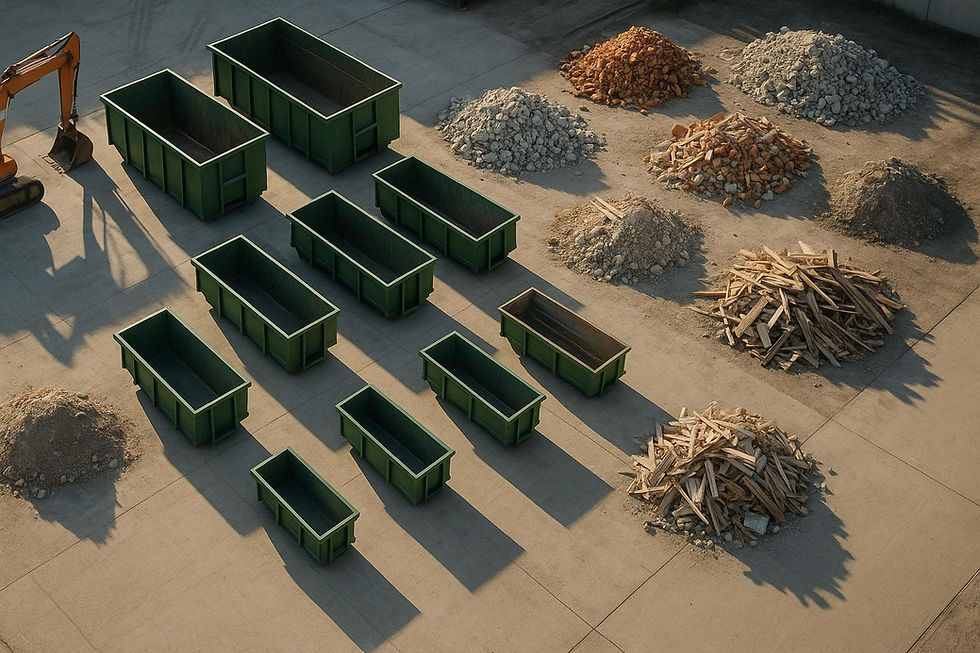
Dumpster Size: What Size Do You Need for Waste Disposal?
Advantages and Drawbacks
When tackling a basement cleanout, choosing the right dumpster size is crucial. Each option comes with its own set of benefits and limitations, and understanding these can help you make the best decision for your specific needs. Here's a breakdown of the pros and cons of the most common dumpster sizes.
10-yard dumpsters are known for their affordability and ability to fit into tight spaces. They’re perfect for small-scale cleanouts or areas where larger containers just won’t fit. However, their limited capacity means they might not be ideal for larger projects, as you could need multiple rentals. Plus, they’re not suitable for heavy debris like concrete or oversized items such as large appliances.
15-yard dumpsters strike a balance for medium-sized projects. These dumpsters can handle a mix of household items and light construction debris, making them versatile for standard basement cleanouts. The downside? They can fill up quickly if you’re dealing with bulky furniture or several large items.
20-yard dumpsters are the go-to for larger projects. They’re capable of handling extensive renovations or heavy debris in one rental, which can save time and money in the long run. However, their larger size means they require more space, so they might not be suitable for properties with limited driveway or yard space.
Dumpster Size | Capacity | Best Uses | Cost Factors | Space Requirements |
10-Yard | 10 cubic yards | Small cleanouts, light debris, tight spaces | Most affordable; may need multiple rentals | Minimal - fits most driveways |
15-Yard | 15 cubic yards | Standard basement cleanouts, mixed debris | Moderate cost; good for medium projects | Fits standard residential driveways |
20-Yard | 20 cubic yards | Large cleanouts, heavy materials, renovations | Higher upfront cost; saves on large projects | Requires larger driveway space |
Beyond just capacity, weight limits and scheduling play a big role in choosing the right dumpster. Smaller dumpsters can hit weight limits quickly when dealing with dense materials like old appliances or gym equipment, whereas a 20-yard dumpster can handle these heavier items with ease. This is especially important for cleanouts involving workshops or storage rooms, where heavy debris is common.
Timing is another factor to consider. Opting for smaller dumpsters might mean extending your project timeline if you need to rent additional containers. On the other hand, larger dumpsters let you finish the job in one rental period, which is a huge advantage for time-sensitive projects like estate cleanouts or major renovations. Ultimately, the best choice will depend on your basement’s layout, the type of debris you’re handling, and how quickly you need to complete the job.
Conclusion
Selecting the right dumpster size depends on the scope of your project and the materials you’re clearing out. As highlighted above, pairing the container size with the scale of your work is essential. For many New England homeowners, the 15-yard and 20-yard dumpsters stand out as the most practical options for basement projects, thanks to their balance of capacity and convenience.
A 15-yard dumpster is ideal for typical basement decluttering tasks, offering enough space for standard cleanouts. On the other hand, a 20-yard dumpster is better suited for larger-scale renovations or homes with years of accumulated belongings. Its extra capacity makes it perfect for handling bulky items or debris from remodeling efforts.
Cost efficiency is another important factor to keep in mind. Larger dumpsters, like the 20-yard option, often provide better value per cubic yard, especially for bigger cleanouts, saving you from needing multiple smaller rentals. This balance of size and cost ensures a smoother, more economical cleanup process.
For New England homeowners tackling basement cleanouts, Dump & Go provides reliable 15-yard and 20-yard dumpster rentals with quick service. Beyond just renting containers, they also offer estate cleanups and material transportation, making them a one-stop solution for your project.
Whether you’re dealing with a moderate decluttering job or a more extensive renovation, these dumpster sizes can handle the task efficiently within a single rental period, all while fitting neatly into standard residential spaces.
FAQs
What dumpster size should I choose for my basement cleanout?
When deciding on the right dumpster size for your basement cleanout, it all comes down to how much waste you're dealing with and the scope of your project. For most standard cleanouts, a 20-yard dumpster hits the sweet spot. It’s spacious enough to manage bulky items and debris while remaining manageable and cost-effective.
If your project is on the smaller side with less waste, a 15-yard dumpster might do the trick. But if you’re tackling a bigger job or clearing out a significant amount of material, stepping up to a larger container could save you multiple trips.
For an easy rental process, quick delivery, and environmentally conscious solutions, Dump & Go provides both 15- and 20-yard dumpsters to fit residential and commercial projects. Reach out to them for a free quote and personalized advice to match your needs.
What are the cost considerations when choosing between smaller and larger dumpster sizes?
When choosing between smaller and larger dumpsters, the price can vary quite a bit depending on the size and the scope of your project. For smaller tasks, like minor cleanouts or handling limited debris, a 10-yard dumpster is often the most cost-effective choice, with prices typically falling between $150 and $400. On the other hand, if you’re tackling a bigger job, larger dumpsters - like 20- or 30-yard options - might be a better fit. These usually range from $350 to $600 or more, but they can hold significantly more waste, potentially cutting down on the need for multiple rentals or extra pickups.
While the upfront cost of a larger dumpster is higher, it could actually save you money for large-scale projects by reducing the hassle and expense of additional hauls. Ultimately, the best choice comes down to the size of your basement cleanout and how much you’re willing to spend.
What should I consider when placing a dumpster in a residential area?
When setting up a dumpster in a residential area, it’s crucial to stick to local rules and guidelines. The best spot is usually on private property, like a driveway, and always with the homeowner’s permission. Be sure not to block public streets, sidewalks, or emergency access routes - doing so often requires a permit. Also, aim to keep the dumpster at least 5 to 15 feet away from homes to meet safety standards and local requirements.
In some areas, you might need a permit to place a dumpster on public property. If you’re in a neighborhood with a homeowners' association (HOA), they may have additional rules, such as preferring dumpsters to be on driveways instead of lawns or streets. Always double-check local regulations and HOA policies to avoid unnecessary fines or conflicts.


Comments