
How to Rent Dumpsters for Hoarding Cleanup
Updated: Sep 1, 2025
Need to tackle a hoarding cleanup? Renting a dumpster can simplify the process. Here’s what you need to know:
- Why Use a Dumpster? Dumpsters provide a central place for waste, save time by reducing landfill trips, and enhance safety during cleanups.
- Choosing the Right Size: Common sizes include 15-yard (small projects), 20-yard (medium cleanouts), and 30- to 40-yard dumpsters (large-scale or whole-home cleanouts).
- Costs: Rentals range from $200–$650 per week, depending on size and location. Watch for factors like weight limits and prohibited items that may add fees.
- Scheduling Tips: Book early, align delivery with your project start, and prepare the drop-off spot for smooth logistics.
- Loading Best Practices: Start with heavy items, break down bulky materials, and avoid overfilling to stay within weight limits.
- Eco-Friendly Disposal: Sort waste for recycling, donate usable items, and safely handle hazardous materials to minimize environmental impact.
Pro Tip: Companies like Dump & Go offer reliable and eco-conscious dumpster rentals, making hoarding cleanups across New England easier and more efficient.
Ready to reclaim your space? Dive into the details below to plan your cleanup effectively.
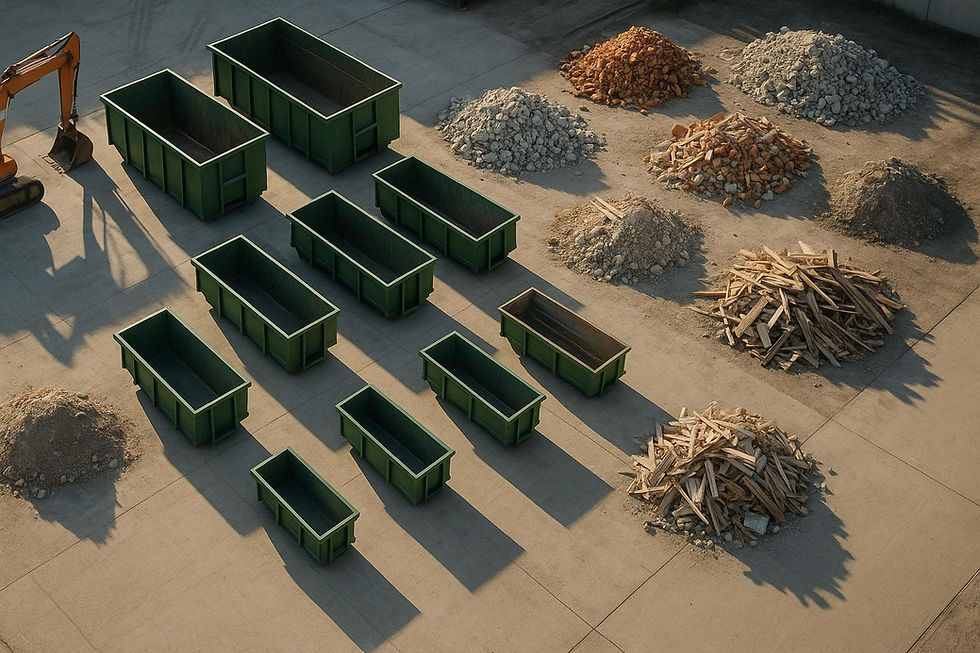
5 FULL DUMPSTERS | Full House Junk Removal
How to Choose the Right Dumpster Size
Picking the right dumpster size for a hoarding cleanup involves looking at the volume of items, the types of materials you’re disposing of, and the overall scope of the project. Each of these factors plays a key role in ensuring you choose the most practical and efficient option. Since hoarding cleanups often come with unique challenges, a precise selection is essential. Below, we break down the available sizes and provide tips to estimate the waste volume for your cleanup.
Dumpster Size Options Explained
Dumpster rental companies typically offer several sizes, but for hoarding cleanouts, 15-yard and 20-yard dumpsters are common go-to options. A 20-yard dumpster, for example, measures about 22 ft. x 7.5 ft. x 4.5 ft., offering enough space for medium-sized projects like clearing out a cluttered garage, basement, or a few rooms.
For larger-scale cleanouts, a 30-yard dumpster might be a better fit. These measure roughly 22 ft. x 8 ft. x 6 ft. and can hold about 9 pickup truck loads of waste. This size is ideal for tackling whole-home cleanouts or disposing of bulky items like furniture and appliances.
If you’re dealing with an extensive cleanup, a 40-yard dumpster (22 ft. x 8 ft. x 8 ft.) might be necessary. These are designed to handle entire property cleanouts or demolition debris. According to Handy Can Disposing and Recycling in December 2023, dumpsters with 30+ cubic yards of capacity can hold between 12 and 14 pickup truck loads, making them perfect for heavy-duty projects.
How to Estimate Waste Volume
Estimating waste volume starts with categorizing the materials you’re planning to dispose of. Since different items vary in weight and space requirements, this step helps you avoid overages and ensures you have enough room for everything.
Heavy items like appliances, books, or electronics require special attention because of weight limits. For example, a 20-yard dumpster can typically hold 3–4 tons of material, while a 30-yard dumpster accommodates 4–5 tons. On average, 1 cubic yard of household debris weighs between 400–800 pounds, though this varies depending on the material.
To estimate accurately:
- Group items by type and weight.
- Add an extra 10–20% space for unexpected items.
- Keep in mind that compactly stacked items may take up more space once removed and placed in a dumpster.
If you’re unsure about the total volume, it’s usually safer to go with a larger dumpster to avoid needing additional rentals.
Dumpster Rental Costs
Rental costs for dumpsters vary based on size, location, and other factors. A 20-yard dumpster typically costs between $350 and $550 per week, though prices can range from $250 to $650 depending on your area and market conditions. Smaller 10-yard dumpsters, which are suitable for minor cleanouts, cost between $200 and $400 per week. However, these may not provide enough capacity for most hoarding situations.
Larger dumpsters, such as 30-yard and 40-yard options, come with higher price tags due to their capacity and potential additional disposal fees. On average, a 20-yard dumpster rental costs around $632 nationally, but this can fluctuate based on container availability, debris type, and location.
Several factors can affect your final rental cost:
- Weight limits: Most rentals include a weight limit, but exceeding it will result in extra fees per ton.
- Prohibited items: Items like hazardous waste or certain electronics may require special handling and incur additional charges.
- Delivery logistics: Limited access, permits for street placement, or special positioning on your property can also increase costs.
Dump & Go offers clear pricing for 15- to 20-yard dumpsters, along with free quotes. This transparency helps you plan your hoarding cleanup without unexpected expenses, making a stressful process a little easier to manage.
How to Schedule Dumpster Delivery and Pickup
Timing is everything when it comes to renting a dumpster. Missteps in scheduling can lead to rushed work, extra costs, and unnecessary delays. To avoid these issues, it’s important to understand the booking process and leave room for unexpected challenges, especially with hoarding cleanups. Here’s how to plan your dumpster rental and manage the logistics effectively.
Steps to Schedule a Dumpster Rental
Start by reaching out to the rental company, either by phone or through their website, and provide details about your project. This helps them recommend the right dumpster size and give you an accurate quote. Once you’ve reviewed the quote and agreed to the terms, you can lock in your delivery and pickup dates. Many companies even offer online scheduling options, letting you manage your rental timeline anytime, day or night.
Tips for Coordinating Delivery and Pickup
After scheduling, a little preparation can make the delivery and pickup process smoother:
- Book Early: Aim to reserve at least a week in advance. During busy times like spring cleaning season (March and April), consider booking several weeks ahead to secure your spot. Many companies require 3–5 days’ notice during peak periods.
- Plan Around Your Cleanup: Schedule the dumpster delivery to align with your project start. If demolition is part of the job, having the dumpster delivered the day before or the morning of the work can save time. Adding a few extra days to your rental period can also help you handle weather delays or other unexpected setbacks.
- Prepare the Drop-Off Spot: Confirm the delivery time and let the company know about any potential obstacles, like narrow driveways, low-hanging branches, or parked cars. Marking the drop-off area with cones or tape can make it easier for the driver to place the dumpster exactly where you need it.
- Stay Flexible: Being open to small timing adjustments helps the rental company optimize their routes, which can sometimes lower costs. Flexibility goes a long way in keeping the process hassle-free.
Dump & Go specializes in hoarding cleanup projects across New England, offering reliable delivery and pickup services. Their professional team ensures your dumpster is where it needs to be, helping you stay on schedule and reducing the stress of managing logistics during demanding projects.
How to Manage Waste Disposal During Hoarding Cleanup
Once your dumpster is scheduled and ready on-site, the next step is managing waste disposal efficiently. Tackling waste disposal during a hoarding cleanup requires careful planning to address the unique challenges these situations present. A clear, systematic approach not only ensures safety but also helps you maximize your dumpster’s capacity, saving time and avoiding extra fees.
Best Practices for Loading Dumpsters
Understanding your dumpster’s weight and fill limits is essential to avoid overage fees. Start by placing heavy items at the bottom to create a stable base and distribute weight evenly. Break down large, bulky items - like furniture or cardboard boxes - to make better use of the available space. Stack flat items first, then fill the gaps with smaller debris. Be mindful not to overfill past the designated fill line, as this can create safety risks. For easier access, take advantage of the dumpster’s door when loading.
"Loading a roll-off dumpster properly is crucial for both safety and efficiency. Mishandling the loading process can lead to accidents, wasted space, or even fines for improper use."
How to Sort Waste Effectively
Sorting waste into categories - such as keep, donate, sell, recycle, and dispose - makes the cleanup process more manageable. Set aside hazardous materials right away for proper disposal. Many people find the Four-Box Method helpful: designate boxes for Must Keep, Give Away/Sell, Store, and Trash. This method encourages quick decision-making, speeding up the process and reducing hourly costs. Start small to build momentum, and break down larger items to save valuable dumpster space.
Once your waste is sorted, focus on maintaining a safe and organized cleanup environment.
Safety Tips for Hoarding Cleanup
Safety must always come first. Wear protective gear, including long-sleeved clothing, gloves, a face mask, and closed-toe shoes. For more challenging conditions, consider adding dust masks, hard hats, and sturdy boots. Keep a first aid kit nearby for unexpected injuries. Before beginning, assess the area for hazards like chemicals or biohazards, and unplug electrical appliances to avoid accidents. Ensure pathways remain clear to safely access the dumpster, and use proper lifting techniques: bend your knees, keep your back straight, and lift with your legs.
Avoid mixing cleaning agents to prevent harmful fumes, and opt for mild soaps whenever possible. Keep emergency contacts for local fire and police departments readily available. When disposing of sharp objects like broken glass, wrap them securely to protect yourself and others. Finally, make sure you have all necessary cleaning supplies on hand before starting.
Dump & Go is here to support your cleanup efforts by providing dumpsters that are sized just right for the job. Their 15- to 20-yard containers strike the perfect balance between capacity and ease of use, making them ideal for residential hoarding cleanouts across New England. With their help, you can handle your project safely and efficiently.
Eco-Friendly and Responsible Disposal Options
Cleaning up after a hoarding situation often generates a large amount of waste, making responsible disposal a critical part of the process. The decisions you make during the cleanup don’t just affect your immediate surroundings - they can have lasting effects on local ecosystems and communities. Working with a rental service that prioritizes sustainability ensures your cleanup is handled in an environmentally responsible way. A good first step is carefully sorting through the waste to maximize recycling and ensure safe disposal.
Recycling and Hazardous Waste Disposal
Start by organizing the materials into categories: recyclables, donations, hazardous waste, and general trash. This approach helps reduce unnecessary landfill contributions and ensures hazardous items are handled correctly.
Items like electronics, batteries, paint cans, cleaning products, and medical supplies need special attention. If not disposed of properly, these materials can contaminate soil and water. Reach out to your local waste management facility or environmental services department to find certified hazardous waste collection sites. Many communities also host free hazardous waste collection events, making disposal more convenient.
Hoarding cleanups often uncover a surprising amount of recyclable materials, including paper, metals, and plastics. These can be redirected to recycling centers instead of ending up in landfills. Check with local recycling facilities to understand their specific guidelines, especially for items that might not be accepted through standard curbside collection programs.
For non-recyclable waste, consider using biodegradable bags to minimize environmental impact. Usable items like furniture, clothing, and books can be donated to local charities. Many donation centers even offer pickup services for larger items, which can significantly reduce the amount of waste you need to dispose of.
Why Choose Dump & Go for Hoarding Cleanup
If you're looking for a partner to make your cleanup more environmentally conscious, is a great choice. Dump & Go has earned a reputation as an eco-friendly option for hoarding cleanup projects throughout New England. Their approach to waste management prioritizes both customer needs and environmental responsibility.
Their expertise in handling complex hoarding situations sets them apart. The team is skilled at identifying materials that require specialized disposal methods, offering guidance on sorting hazardous items, and connecting you with the right facilities for safe handling.
Customer satisfaction is at the heart of their service. With fully insured staff, Dump & Go provides peace of mind during what can often be an emotionally taxing cleanup process. Their 24/7 availability ensures you’ll have support whenever you need it. Plus, free quotes allow you to plan your budget effectively, giving you the flexibility to allocate resources toward additional cleaning services or charitable donations.
Conclusion: Make Hoarding Cleanup Easier with the Right Dumpster Rental
Tackling a hoarding cleanup can feel overwhelming, but the right tools and approach can make the process much smoother. Start by assessing the scope of the cleanup and selecting a dumpster size that matches your needs. Plan ahead by choosing a flat, accessible delivery spot and breaking down large items to maximize dumpster space while staying within weight limits to avoid extra charges.
Budgeting is straightforward with transparent rental costs, helping you keep expenses under control. Throughout the cleanup, focus on safety and responsible waste management. Systematically sort through items one area at a time, separating recyclables, donations, hazardous materials, and general trash. This method not only minimizes landfill waste but also ensures proper handling of items like electronics, batteries, and chemicals.
For those in New England, Dump & Go offers reliable and eco-conscious solutions to help simplify the process. Their team is available 24/7 and fully insured, providing free quotes to help you get started. With a focus on sustainable disposal and customer satisfaction, Dump & Go takes care of the logistics, allowing you to concentrate on reclaiming your space. Whether it’s a small project or a large-scale cleanup, their expertise ensures you’ll have the support you need during this challenging task.
FAQs
How do I choose the right dumpster size for a hoarding cleanup?
When tackling a hoarding cleanup, picking the right dumpster size is key. The choice largely depends on the volume and type of items you’re clearing out. If you’re dealing with a large-scale project involving lots of furniture, household goods, or general debris, a 20-yard dumpster is a solid pick. It’s spacious enough to handle the load without being unnecessarily oversized. For smaller or medium-sized cleanouts, a 15-yard dumpster might be a better, more budget-friendly fit.
To figure out the ideal size, think about the area you’re clearing, the amount of waste, and the materials you’ll be discarding. If you’re uncertain, reaching out to a service like Dump & Go can simplify the decision. They provide quick delivery, environmentally conscious services, and free quotes to ensure the process is as easy as possible.
What items are typically prohibited in a rented dumpster, and could result in extra fees?
Certain items can't be tossed into rented dumpsters because they need special disposal methods. These include:
- Electronics like TVs, computers, and other gadgets.
- Hazardous materials, such as paint, chemicals, and car fluids.
- Appliances with refrigerants, like fridges or air conditioners.
- Tires and medical waste.
If these items are disposed of incorrectly, you could face extra fees or fines. To avoid surprises and handle waste responsibly, always ask your dumpster rental company for a full list of restricted items.
What are the best ways to sort and dispose of waste during a hoarding cleanup while being eco-friendly?
When tackling waste during a hoarding cleanup, start by organizing everything into clear categories: recyclables (like paper, plastic, glass, and metal), compostable materials (such as food scraps and yard waste), and non-recyclable trash. This approach helps minimize the amount of waste heading to landfills.
For items that are still in good condition - like furniture, clothing, or appliances - consider donating them to local charities. This not only reduces waste but also gives these items a second chance to be useful. For hazardous or specialized waste, such as old electronics or chemicals, be sure to follow local disposal guidelines to avoid causing harm to the environment.
If the sheer volume of waste feels unmanageable, renting a dumpster can make things much easier. Services like provide 15- to 20-yard dumpsters with quick delivery, allowing you to manage large cleanouts more efficiently while keeping eco-friendly practices in mind.


Comments